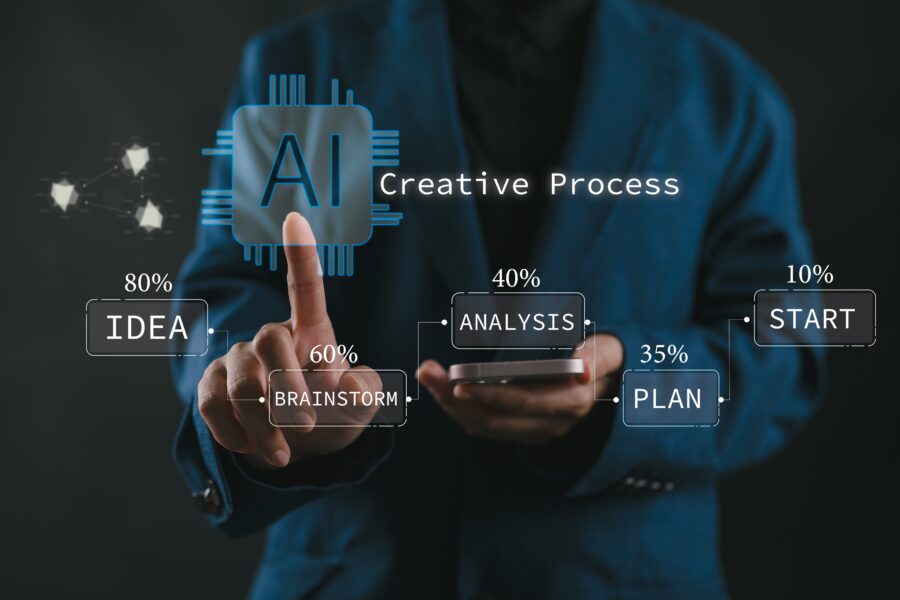
Artificial intelligence is rapidly transforming how organisations operate, compete, and deliver value. What was once considered experimental technology is now becoming foundational infrastructure for modern businesses. From automation and predictive analytics to generative tools and intelligent decision-making systems, AI is reshaping industries at an unprecedented pace. For businesses hoping to remain competitive, preparation for an AI-driven economy is no longer optional—it is a strategic necessity.
1. Develop a Clear AI Strategy
The first step for businesses is creating a clear and practical AI strategy aligned with their overall business goals. Many organisations rush to adopt AI tools without understanding how they support long-term objectives. Instead, leaders should identify areas where AI can produce measurable value—such as improving operational efficiency, enhancing customer experience, or uncovering new revenue streams.
A successful AI strategy typically begins with evaluating internal processes to identify repetitive, data-heavy, or time-consuming tasks that could benefit from automation or machine learning. Businesses that approach AI with targeted use cases tend to see faster returns on investment than those experimenting without direction.
2. Invest in Data Infrastructure
AI systems rely heavily on high-quality data. Companies that want to benefit from AI must ensure they have reliable data collection, storage, and governance practices in place. Poor data quality leads to inaccurate predictions and ineffective automation.
Organisations should prioritise building strong data infrastructure, including centralised data platforms, secure storage systems, and standardised data management processes. This also involves ensuring compliance with privacy regulations and maintaining transparency about how data is used. Businesses that treat data as a strategic asset will be better positioned to leverage AI effectively.
3. Upskill the Workforce
Preparing for an AI-driven economy is not just about technology—it is equally about people. As AI automates routine tasks, employees must shift toward higher-value activities that require creativity, critical thinking, and problem-solving.
Forward-thinking companies are investing in workforce training programs that focus on digital literacy, data analysis, and AI collaboration skills. Employees do not need to become data scientists, but they should understand how AI tools function and how to use them responsibly. Organisations that prioritise continuous learning will be more adaptable as technology evolves.
4. Adopt AI Gradually Through Pilot Projects
Rather than attempting large-scale transformation immediately, many successful companies start with smaller pilot projects. Pilot programs allow businesses to test AI applications in controlled environments, measure their impact, and refine strategies before scaling.
For example, a retail company might begin by using AI for demand forecasting or customer service chatbots. A manufacturing firm could deploy predictive maintenance systems to reduce downtime. These early successes help build internal confidence and provide valuable insights into how AI can be expanded across the organisation.
5. Strengthen Ethical and Governance Frameworks
As AI adoption increases, ethical considerations become more important. Businesses must address concerns around bias, transparency, and accountability in AI systems. Poorly governed AI can create reputational risks, legal complications, and loss of customer trust.
Organisations should establish clear governance policies that outline how AI systems are developed, monitored, and evaluated. This includes implementing oversight committees, auditing algorithms, and ensuring responsible use of customer data. Ethical AI practices are quickly becoming a competitive advantage in a trust-driven market.
6. Foster a Culture of Innovation
Finally, preparing for an AI-driven economy requires a mindset shift across the organisation. Businesses that thrive in this new environment encourage experimentation, collaboration, and openness to change. Leadership plays a critical role in communicating the benefits of AI and reducing fears about automation.
Companies that build innovation into their culture—through cross-functional teams, innovation labs, and partnerships with technology providers—are more likely to discover new opportunities created by AI.
Conclusion
The AI-driven economy is already emerging, and businesses must take proactive steps to adapt. By developing a clear strategy, investing in data infrastructure, upskilling employees, launching pilot projects, strengthening governance frameworks, and fostering innovation, organisations can position themselves for long-term success. Those that prepare today will not only survive the transition but also gain a powerful competitive advantage in the intelligent economy of tomorrow.